

6 days
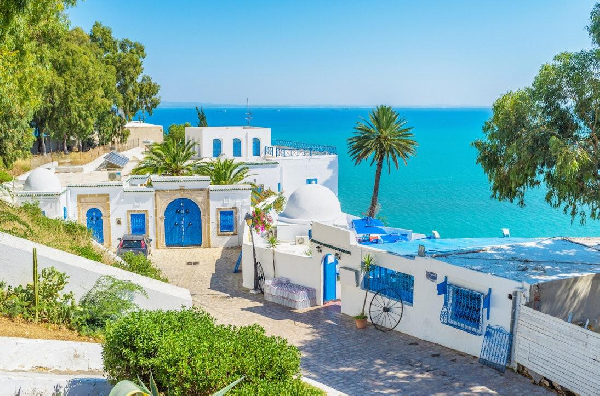
[Visa-Free] North Africa’s Pearl: Classic 6-Day Tour of Colorful Tunisia (English-speaking group)
From 01/11/2026
Group Tours
[Guaranteed departure with 2 guests; departures every Sunday] Premium small group of 6 / No shopping stops / Discover Tunisia in depth over 6 days and 5 nights / One-stop access to the Mediterranean and Sahara's contrasting landscapes
Tunis - Kairouan - Tozeur - Matmata - El Jem - Sousse - Tunis
Upcoming departure dates: 2026-11-01, 2026-11-08, 2026-11-15, 2026-11-22, 2026-11-29, 2026-12-06, 2026-12-13
Day 1
Tunisia
Download full itinerary PDFTour departure point
D1 Tunis Tour start time: Airport pickup available 24 hours a day Tour start location: Pickup at Tunis–Carthage International Airport
Itinerary details
Arrive in Tunisia, where your guide will meet you and transfer you to the hotel to rest. Enjoy free time today, or visit the Medina of Tunis. Medina of Tunis: Also known as the Old City, the Medina of Tunis was founded in 698 and still retains its ancient Arab character. Its defining features include whitewashed low-rise houses and winding, narrow alleys. The medina contains 700 historic monuments, including palaces, mosques, mausoleums, Islamic schools, and fountains from the Almohad and Hafsid periods. The Great Mosque of Zitouna is the old city's central landmark. Built in 704 AD and rebuilt in 864, it is one of the Arab world's centers of religious learning. The old city combines residential, craft, and commercial functions, with more than a thousand workshops and shops. Its Arab souks are distinctive, with alleys organized by trade, including lanes for copperware, gold and silver jewelry, and spices. The traditional small-scale workshop system remains, giving the area a strong Arab character. In 1979, the Medina of Tunis was inscribed on the UNESCO World Heritage List. The World Heritage Committee considers it evidence of one of the Islamic world's great and prosperous cities from the 12th to 16th centuries, as well as an outstanding example of a traditional human settlement that has evolved with social change.
Meals
Breakfast: at your own expense Lunch: at your own expense Dinner: at the hotel
Accommodation
Tunis or surrounding cities
Attraction details
Day 2
Tunisia
Itinerary details
Sightseeing: Bardo Museum, the ruins of Carthage, and Sidi Bou Said (the blue-and-white village) Bardo Museum: The Bardo Museum is the second-largest museum in Africa. It was originally a 13th-century palace of the Hafsid dynasty and was later expanded during the Ottoman period. In 1882, the French colonial government began converting it into a museum, and it officially opened in 1888. The museum has more than 40 galleries and corridors. Its collections are organized into six sections: prehistoric, Phoenician, Roman, Christian, Arab-Islamic, and Greek art, and include tens of thousands of artifacts. Its most famous exhibits are Roman mosaics, and the museum holds one of the world’s richest collections of mosaic art. Masterpieces such as The Triumph of Neptune and Ulysses and the Sirens are among its greatest treasures. Made with natural materials such as colored stones, jasper, agate, carnelian, and coral, these exquisite mosaics reveal three thousand years of civilizations meeting and changing along the southern Mediterranean, from the Phoenician and Roman eras to the Islamic period. The museum is one of the world’s most important repositories of mosaic art. Carthage Archaeological Site: Carthage was an ancient city founded by the Phoenicians in 814 BC. It was once the capital of the Carthaginian Kingdom. In 146 BC, the city was razed to the ground by Roman troops. The Romans later rebuilt it on the original site, making it the capital of the Roman province of Africa. In 439, the Vandals captured Carthage; in 533, it became part of the Eastern Roman Empire. It was completely abandoned in the 7th century amid the conflicts sparked by the rise of the Arab Empire. Many Roman-era remains survive at the site, including a great temple, whose open-air colonnade still features statues of the Roman gods of victory and harvest. Also notable are the Antonine Baths, the fourth-largest bath complex in ancient Rome, with complete facilities including changing rooms and cold rooms. Water was brought in through a 60-kilometer-long aqueduct. Other remains include an amphitheater and an oval arena. The Carthage Archaeological Site is an important treasure trove for the study of ancient Mediterranean civilizations. It bears witness to the cultural exchange and clashes between different peoples, including the Phoenicians and Romans, and is significant for understanding ancient architecture, art, politics, and economics. It was inscribed on the World Heritage List in 1979. Sidi Bou Said: The walls of every house in this blue-and-white town are white, while the doors and windows are blue, creating a distinctive color scheme with a strong Andalusian influence. In the 13th century, the mystic Khalaf Ben built a house on the hill, laying the foundations for Sidi Bou Said. The town was once one of Tunisia’s gateways to Europe. Throughout its history, it was invaded by the Romans, Spanish, Turks, and others, and became a meeting point for different cultures. This blue-and-white town is a haven for artists, attracting many Tunisian painters as well as artists from Syria, Italy, France, and elsewhere. The lanes are lined with shops selling Arab-inspired handicrafts, such as olivewood birdcages, copper trays, and leather poufs, as well as “desert roses” from the Sahara. The town’s century-old Cafe Des Nattes is famous. People enjoy Arabic coffee or mint tea here and relax at their leisure.
Meals
Breakfast: at the hotel Lunch: Mediterranean seafood lunch Dinner: at the hotel
Accommodation
Tunis or surrounding cities
Attraction details
Day 3
Tunis - Kairouan - Tozeur
Itinerary details
After breakfast, drive to Kairouan. Visit the Great Mosque of Uqba, the Mausoleum of Sidi Sahab, and the Aghlabid Basins. After lunch, continue by coach to Tozeur. Kairouan: Kairouan is a historic and cultural city in east-central Tunisia and a holy city of Islam. In 670, the Arab army general Uqba established a permanent fortified settlement here. From 800 to 909, it served as the capital of the Aghlabid dynasty and became an important political, commercial, religious, and cultural center in North Africa. Its status declined after Tunis rose to prominence in the 11th century, but it remains a holy city of Islam. Kairouan is known as the “City of 300 Mosques,” with mosques scattered throughout the city. The best-known is the Great Mosque of Uqba, one of North Africa's oldest and largest mosques and one of the world's four great mosques. Because Kairouan lacked water, 15 reservoirs were built in 862 AD. The Aghlabid Basins are well preserved and open to visitors. In 1988, Kairouan was inscribed on the World Heritage List as a cultural heritage site. The city is also a trading center for wool, leather, grain, and olive oil, and is renowned for finely crafted “Tunisian leather,” handwoven carpets, and copperware. Tourism is also well developed.
Meals
Breakfast: at the hotel Lunch: local lunch Dinner: local specialty: chicken stew with dates
Accommodation
Tozeur or a nearby city
Attraction details
Day 4
Tozeur
Itinerary details
Sightseeing: three oases (Chebika, Tamerza, and Mides Canyon), and Ong Jemel (a Star Wars filming location). After lunch, enjoy the hotel in the afternoon and spend your free time as you wish. Tozeur: An oasis city known as the “gateway to the desert.” Tozeur was an important ancient Numidian town on the trade route from Biskra to Gabès, bearing witness to the meeting of civilizations across many historical periods. It is also one of the world’s renowned oases, with 1,000 hectares of date palm groves and around 200,000 date palms, earning it the nickname “Land of Palms.” Nearby are Chebika Oasis, Tamerza Waterfall, Mides Canyon, Ong Jemel, Chott el Djerid, and the Sahara Desert, all offering beautiful scenery. Chebika Oasis: With the Atlas Mountains behind it and Chott el Gharsa and the Sahara Desert ahead, its unique location makes it an oasis of life in the desert. The oasis formed around natural springs fed by underground water, said to gush at a rate of 20 liters per second. The springs create streams, waterfalls, and pools, sustaining the oasis. It was once a Roman outpost and later became a Berber settlement. A flood in 1969 destroyed the mountain village, and only a few ruins remain today; its residents have moved to the area below. Tamerza Oasis: Located between Chebika Oasis and Mides Oasis. It is smaller than Chebika Oasis and features towering waterfalls that nourish its lush vegetation. Weathering has carved magnificent patterns into the rock faces, creating scenery reminiscent of the Grand Canyon in the United States. Mides Canyon: Located near the border between Tozeur and Algeria, Mides Canyon was carved by ancient rivers. Over time, the rivers dried up, leaving behind the spectacular canyon seen today. It stretches about 7 kilometers and features distinctive rock strata. Its steep cliffs look as if they were hewn with an axe, while the exposed rock and ochre-red valley create a stark beauty, earning it the name “Grand Canyon of North Africa.” It was a filming location for the famous movie The English Patient and for the pod race scene in Star Wars. Its unusual landscape gives the films a mysterious, otherworldly atmosphere. Ong Jemel: Located on the edge of the Sahara Desert, it is world-famous as an on-location filming site for Star Wars. Many sets from the movie remain here, including buildings from the planet Tatooine, attracting fans and visitors alike. Visitors can take a four-wheel-drive vehicle across the dunes, experience the thrill of dune bashing, and admire the magnificent scenery of the Sahara Desert.
Meals
Breakfast: at the hotel Lunch: lunch at a local Raid courtyard Dinner: at the hotel
Accommodation
Tozeur or a nearby city
Attraction details
Day 5
Tozeur - Matmata - El Jem - Sousse
Itinerary details
After breakfast, drive across Chott el Djerid to Matmata. Visit a Berber troglodyte dwelling, then have lunch and continue to El Jem to see the amphitheater. Arrive in Sousse in the evening and check in to the hotel. Matmata: Matmata is inhabited by Berbers and lies in rugged hills of yellow earth and gravel on the edge of the desert. Exposed to prolonged sunshine and influenced by the Sahara, the area experiences very high temperatures. In response to these harsh conditions, local Berbers developed a distinctive tradition of underground dwellings. They first dug a large pit in the ground, then excavated rooms horizontally into its sides. These quiet, well-ventilated dwellings offer protection from the heat and stay cool in summer and warm in winter. Most residents have since moved into modern homes, but some still live in the underground dwellings, and a number have been converted into hotels. Matmata was an important filming location for Star Wars and attracts many fans of the series. El Jem: In ancient Roman times, El Jem was an important Roman stronghold in North Africa. Rome ruled Tunisia for nearly 600 years, from 146 BC to 439 AD, leaving behind many Roman-era buildings. The Amphitheatre of El Jem is one of the most notable examples. Built in the early 3rd century AD, it is one of the world's three largest amphitheaters. Its walls stand 36 meters high and it has three tiers and 500 entrances, with a capacity of around 40,000 people. Its architecture is distinctive and elegant, and it is one of the best-preserved amphitheaters in the world. Renowned French writers Guy de Maupassant and Gustave Flaubert made special trips to see it, describing it as “the world's most magnificent amphitheater.” Many scenes from the Hollywood film Gladiator were also filmed here.
Meals
Breakfast: at the hotel Lunch: local lunch Dinner: local dinner
Accommodation
Sousse or surrounding cities
Attraction details
Day 6
Sousse - transfer to Tunis airport
Itinerary details
After breakfast, explore Sousse. Highlights: the Medina of Sousse, the Ribat of Sousse, and Port El Kantaoui. Return to Tunis and conclude the trip. Medina of Sousse: Also known as the Old City, the Medina of Sousse is the main historic Arab quarter. Its streets are narrow and winding, lined with traditional Arab-style buildings. The area has numerous mosques, Islamic schools, craft shops, and open-air markets. The Great Mosque of Sousse is one of its important landmarks. The Medina of Sousse was inscribed on the UNESCO World Heritage List in 1988. Ribat of Sousse: The word “ribat” comes from Arabic and originally meant “fortress” or “fortified monastery.” It refers to an early Islamic building that served military, religious, and educational functions, commonly found in North Africa and the Iberian Peninsula. The Ribat of Sousse was built in the late 8th century AD, around 786. It is one of the best-preserved early Islamic ribats in North Africa and was inscribed on the World Heritage List in 1988 along with the old city of Sousse. It served both as a defensive fortress and a religious center. Its upper-level watchtower offers views over the Mediterranean and the old city of Sousse. The complex includes a mosque, prayer rooms, and rooms for religious practice. Its simple, dignified architecture combines military defenses with features of Islamic religious architecture. Port El Kantaoui: Known as the “beautiful garden harbor of the southern Mediterranean,” the port was designed in the style of a blue-and-white town. The surrounding white houses are Andalusian in style and mostly used as shops, cafés, restaurants, and hotels, giving the area a fresh, elegant character. Boats offering excursions fill the harbor. You can take a boat trip to see dolphins and enjoy the sunset. A long promenade at the end of the port offers views of the harbor city in the distance and the beach near the hotel. The itinerary above is for reference. The travel agency reserves the right to adjust the order according to flight schedules. If visits are not possible due to force majeure, such as demonstrations, strikes, site maintenance, or natural disasters, the travel agency reserves the right to substitute other relevant attractions or hotels.
Important notes
Note: All times shown on this webpage are for reference only. Actual arrival times may be delayed due to circumstances beyond our control, such as weather, traffic congestion, traffic accidents, festivals or sporting events, civil unrest, or strikes. We appreciate your understanding. If you have onward travel plans involving other transportation to another city, we strongly recommend allowing at least 3 hours of extra time to avoid inconvenience caused by delays. Our company accepts no responsibility for losses arising from travel arrangements you make yourself without allowing sufficient extra time. Thank you for your understanding.
Meals
Breakfast: at the hotel Lunch: at your own expense Dinner: at your own expense
Attraction details
Pricing Information
Collapse
Price list:
EUR/person
4-star/diamond hotels
5-star/diamond hotels
September 1–December 15
1620
On request
Please note:
(1) Prices shown on the system calendar are based on 4-star/4-diamond hotels.
(2) For groups traveling over Christmas, New Year, or Easter, tour prices are not listed on the website calendar. Please contact customer service to ask about holiday surcharges!
(3) Sample hotels:
4-star/4-diamond (hotels included in the itinerary by default):
Tunis 4*: El Mouradi Gammarth or similar
Tozeur 4*: El Mouradi Tozeur or similar
Sousse 4*: El Mouradi Palm Marina / El Mouradi Palace or similar
5-star/5-diamond (hotels arranged for an additional fee):
Tunis 5*: Radisson Blu Hotel & Convention Center / Sheraton Tunis Hotel or similar
Tozeur 5*: The Mora Sahara Tozeur or similar
Sousse 5*: Movenpick Resort Sousse / Pearl Marriott Resort & Spa or similar
Note: The above quote is based on reference hotels. No rooms have been reserved at this stage, and the final price is subject to actual booking. After the tour is confirmed, we will first quote based on bookings at the reference hotels. If a reference hotel has no availability, it will be replaced by a hotel of the same standard at no extra cost.
I. Included in the Price
1. Driver and guide: 1 local driver + 1 licensed English-speaking guide
2. Transportation: Vehicles arranged according to group size (usually one 14-seat minibus)
3. Meals: Hotel breakfast and dinner; lunch at local restaurants
4. Hotels: The itinerary includes 4-star/4-diamond hotels by default
5. Admission tickets: Bardo National Museum, the Carthage ruins, three attractions in Kairouan, El Jem Amphitheatre, and the Ribat of Sousse
6. Other: Wi-Fi equipment on the vehicle; 1 L of bottled water per person per day
2. Exclusions
1. Insurance: International travel accident insurance for guests
2. Flights: International flights from various locations to and from Tunisia
3. Documents: Personal passport or any other documents required to enter Tunisia
4. Drinks: Alcoholic and non-alcoholic beverages with meals at hotels or group restaurants
5. Overtime: Drivers and guides work 10 hours per day. Overtime is charged at USD 100 per vehicle per hour
6. Optional expenses: Attractions and optional activities not mentioned in the itinerary
7. Other: All other personal expenses, such as shopping, phone charges, and massages.
8. Tips: US$10 per person per day
9. Upgrade: Upgrading to a 5-star/5-diamond hotel requires an additional fee.
Other notes
1. Child fare discount: Children under 12 who do not require a bed may receive a 15% discount. One adult traveling with one child pays the same fare for the child as for the adult;
2. An English-speaking guide will accompany the group into attractions and provide commentary;
3. Solo travelers must pay the single-room supplement in advance. If you would like to share a room, the supplement can be refunded once a roommate is matched.
Important notes:
1. Entry requirements: Chinese citizens may enter visa-free. Passports must have more than 6 months’ validity remaining. A round-trip flight itinerary and hotel booking confirmation are required.
2. What to pack: Sun-protective clothing, a windproof jacket, and UPF 50+ sun protection. Midday temperatures in summer can reach 45°C, so staying cool and hydrated is essential. Bring common medicines such as cold and stomach remedies, as well as insect repellent (especially for desert and rural areas). Pack toiletries and changes of clothes, including a toothbrush, toothpaste, and slippers.
3. Charging: Tunisia uses European-style two-pin plugs (220V). Be sure to bring a plug adapter.
4. Internet and communications: Your domestic phone must have international roaming enabled, or you can buy a SIM card from operators such as Ooredoo or Inwi at the airport with your passport. A tourist package with 10 GB of data is recommended. Check the security of public Wi-Fi to avoid the risk of card fraud.
5. Food recommendations: Tunisian cuisine is mainly Mediterranean. If you are not used to the local flavors, you can bring chili sauce or pickled mustard greens to accompany your meals. Tap water is not safe to drink.
6. Religious respect: Tunisia is predominantly Muslim. Pork is prohibited, and it is considered taboo to talk about “pigs.” Some people do not drink alcohol or smoke. Remove your shoes before entering a mosque. Women should cover their hair with a long scarf and avoid wearing sleeveless tops, shorts, or high heels. Turn off your flash when taking photos. Non-Muslims may not enter the main prayer hall. During Ramadan, non-Muslims should avoid eating or drinking in public.
7. Code of Conduct: Friday afternoons are the time for Muslim Jumu'ah prayers. Avoid making noise near mosques. Obtain permission before photographing local people. Photographing government buildings, military facilities, and border areas is prohibited. Drones, telephoto lenses, and other professional equipment require a permit in advance.
8. Personal Safety: Do not leave the group on your own or visit secluded alleys in the old city of Medina alone. In particular, do not go out at night. When exploring the old city and the desert, always stay with your guide to avoid getting lost.
9. Safeguarding Your Belongings: Keep valuables, mobile phones, and wallets with you. We recommend bringing an international multi-currency credit card with a chip. Carry cash in Tunisian dinars for small purchases; you can exchange US dollars or euros at the airport.
10. Tipping customs: We recommend respecting local customs. You may tip restaurant and hotel staff around 2–5 dinars each time, and airport restroom attendants 1 dinar. No extra tip is necessary for taxis.
11. Medical coverage: Give priority to travel insurance that includes medical evacuation coverage.
12. Emergency contacts: Police: 117; ambulance: 190; Chinese Embassy in Tunisia: +216-71780068. We recommend downloading offline maps in advance and marking the embassy’s location.
Booking information
Collapse
Changes and cancellation policy
1. Cancel 35 days or more in advance, including 35 days, for a full refund;
2. Cancellation 25 days in advance (including 25 days): 40% loss;
3. Cancellation less than 25 days in advance: 100% loss;
Tour Information
1. Pre-Departure Preparation
Required: Be sure to purchase personal international travel accident insurance before departure.
Internet and communications: Please activate international roaming on your personal mobile phone in advance so you can stay in touch with family and friends or local staff during your trip. Most hotels in Tunisia offer free Wi-Fi, except in the Sahara region, but connections may be unstable. You can buy a local SIM card at the airport and top it up with call and data packages. The three main local telecom companies are Tunisie Telecom (fastest and relatively stable network in cities, but more expensive), Ooredoo (more reliable network in the desert and good value), and Orange (slow network).
Toiletries: toothpaste, toothbrush, slippers, high-SPF sunscreen, moisturizing and skin-brightening skincare products
Basic medicines: Cold remedies, medicine for stomach and intestinal problems, and motion sickness medication.
Other gear: Umbrella, camera, insect repellent, travel plug adapter, travel kettle, snacks, pickled mustard greens, chili sauce, instant noodles, etc.
Currency: Bring US dollars or euros to exchange for Tunisian dinars at the airport. Remember to get some small bills for tips. Only international credit cards with a chip can be used.
Luggage: Choose durable, stain-resistant materials and lightweight luggage of 28 inches or smaller, so it is easier to handle during long journeys and when getting on and off transport, and less likely to be damaged.
Clothing: Tunisia has a Mediterranean climate along the northern coast, grasslands in the center, and desert in the south. Temperatures vary considerably between day and night and from north to south, so layering and protection from wind and sun are essential. Weather website: http://www.worldweather.cn/tu/tuindex.htm
Summer (June–August)
Temperature: coastal areas 28–32°C; central areas 35–38°C; southern desert 40–45°C, with nighttime temperatures of 20–25°C.
Clothing: Short sleeves/sleeveless tops, lightweight trousers/long skirts, sun-protective clothing, sun hat, and sunglasses. In the desert, wear long sleeves and trousers to protect against sand and sun.
Note: Avoid going out at midday. Bring swimwear for the coast and use high-SPF sunscreen throughout the trip.
Spring and autumn (March–May, September–November)
Temperature: 15–26°C, with a large day–night difference (10–15°C); occasional light rain in the north.
Clothing: Lightweight long sleeves/T-shirt + light jacket during the day; add a knitwear layer/windbreaker at night. Comfortable walking shoes are recommended (suitable for the cobbled streets of the old town).
Note: Bring a light rain jacket in March–April and October–November. Women may wish to bring a scarf for sun protection and to wear at mosques.
Winter (December–February)
Temperature: coastal areas 8–16°C, with frequent rain; central areas 5–12°C; southern desert 18–22°C during the day and 5–8°C at night; below 0°C in the mountains.
Clothing: Layer up! Thermal underwear + sweater + heavy coat/light down jacket; scarf, gloves, and warm socks are essential. Wear a windproof jacket in the desert.
Note: The north is rainy, so bring a waterproof jacket. Snow is possible in the mountains; wear non-slip shoes.
General tips
Etiquette: Dress modestly in Muslim areas. Long sleeves and trousers are required in mosques, and women must also cover their heads with a scarf.
Regional differences: Day and night temperatures in the desert vary greatly, so be sure to bring warm layers. The north is rainy, so bring waterproof clothing.
Essentials: High-SPF sunscreen, moisturizer, sunglasses, comfortable walking shoes, and a power bank.
2. Departure and Entry
Travel documents: Your passport must be valid for more than 6 months and have at least 2 blank pages. Bring your round-trip flight tickets and hotel booking (or travel agency itinerary).
Cash regulations: You must declare any amount exceeding 5,000 dinars or its equivalent in other currencies when entering or leaving Tunisia
Aerial photography equipment: Bringing camera drones into the country is prohibited
Tobacco and alcohol allowance: 1 carton of cigarettes and 1 bottle of spirits under 1 liter
Prohibited items: drugs, weapons, pornographic or anti-government materials, meat or animal products, endangered plants or animals, and fruits, vegetables, or plants.
Other situations: If staff ask you for a tip when you have done nothing wrong, firmly refuse!
Accommodation and Meals
Hotel facilities: Compared with hotels in China and other developed countries, local hotels generally have poorer facilities. Due to local culture and attitudes, staff may be slow to respond. For environmental reasons, hotels generally do not provide toothpaste, toothbrushes, or slippers.
Dining: Local water quality is poor. Do not drink tap water; drink purified or bottled water whenever possible. Meals generally do not include alcoholic or other beverages. Order any drinks you like separately and settle the bill before checking out.
Dress code: Please dress appropriately in hotel public areas, corridors, elevators, lobbies, restaurants, and bars. Avoid revealing clothing, shorts, and slippers.
4. Tips During the Trip
Safety: Wear your seat belt at all times! Do not put any part of your body outside the window while the vehicle is moving, and beware of phone snatchers on motorbikes.
Vehicle cleanliness: Smoking is prohibited inside the vehicle. Do not wear shoes on the seats.
Personal belongings: Keep valuables on you and within sight at all times.
Personal safety: Do not go anywhere alone or trust locals who offer to show you the way. Stay close to your group when entering the old town or the desert. Traffic in some areas of Tunisia can be chaotic, and traffic lights are often ignored, so take great care when crossing the road.
Local customs and traditions: Tunisia is an Islamic country. Please respect local religious beliefs and customs. When visiting mosques open to tourists, remove your shoes. Women should avoid exposing their arms and legs and should cover their heads with a scarf. Ask residents for permission before photographing them. Islamic countries observe Ramadan each year; avoid eating or drinking in front of locals where possible, and respect their fasting customs.
Tipping customs: Tips are required at some restrooms along the way (1 dinar), for hotel porters (2 dinars), restaurant servers (2–5 dinars), room cleaners (2–5 dinars), desert jeep drivers (5 dinars), and camel handlers (5 dinars).
Book directly
Choose your date, departure point and room type, then review the total before booking.
Keep exploring
You may also like
- Group Tours
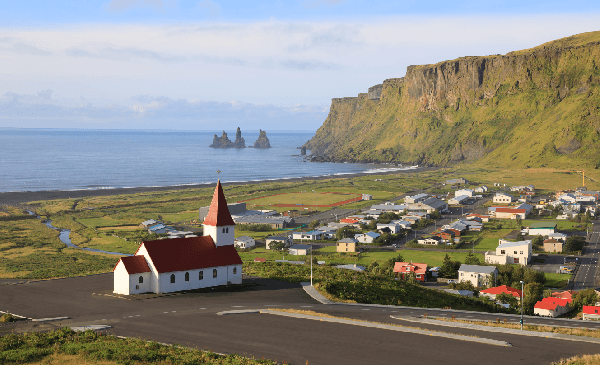
[One-Country Deep Dive] A Song of Ice and Fire: 6-Day, 5-Night Iceland In-Depth Tour | Northern Lights in Winter
- Departure arrangementsFrom 22/10/2026

- Group Tours
7-Day Lapland Aurora Icebreaker Expedition • Swedish Icebreaker | Norwegian King Crab | Finnish Santa Claus Village | Dog Sledding | Snowmobile Aurora Chase | Polar VR Train • Reindeer Farm Included
- Departure arrangementsEffective from 01/12/2026
- Group Tours
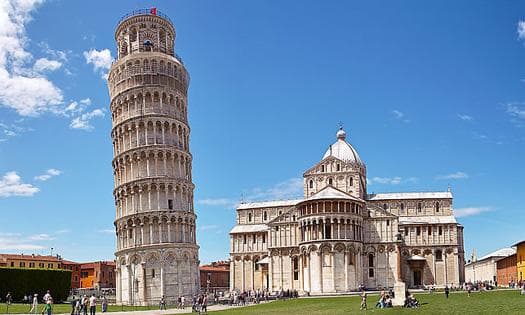
Italy and Southern France Loop Tour
- Departure arrangementsFrom 31/10/2026
- Group Tours
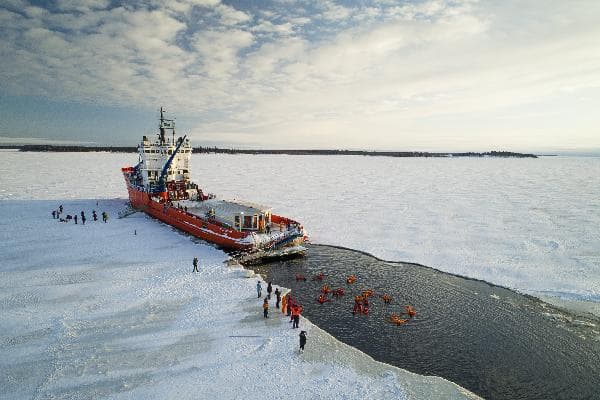
Chasing the Northern Lights — Finland, Norway and Sweden 6-Day Tour [Small Group with Chinese-Speaking Guide] <Helsinki In, Rovaniemi Out>
- Departure arrangementsFrom 28/11/2026